Supreme Court dismisses bid to halt High Court state CEO recruitment case
The dispute traces back to May 20, 2024, when seven petitioners moved to the High Court in Nakuru contesting the recruitment of CEOs for MTRH, Athi Water Works Development Agency, Kenya Broadcasting Corporation, and the Kenya National Shipping Line.
The Supreme Court has dismissed an application by the Moi Teaching and Referral Hospital (MTRH), two senior doctors, and 76 others seeking to halt proceedings in a Nakuru High Court petition challenging the recruitment of Chief Executive Officers of several state corporations.
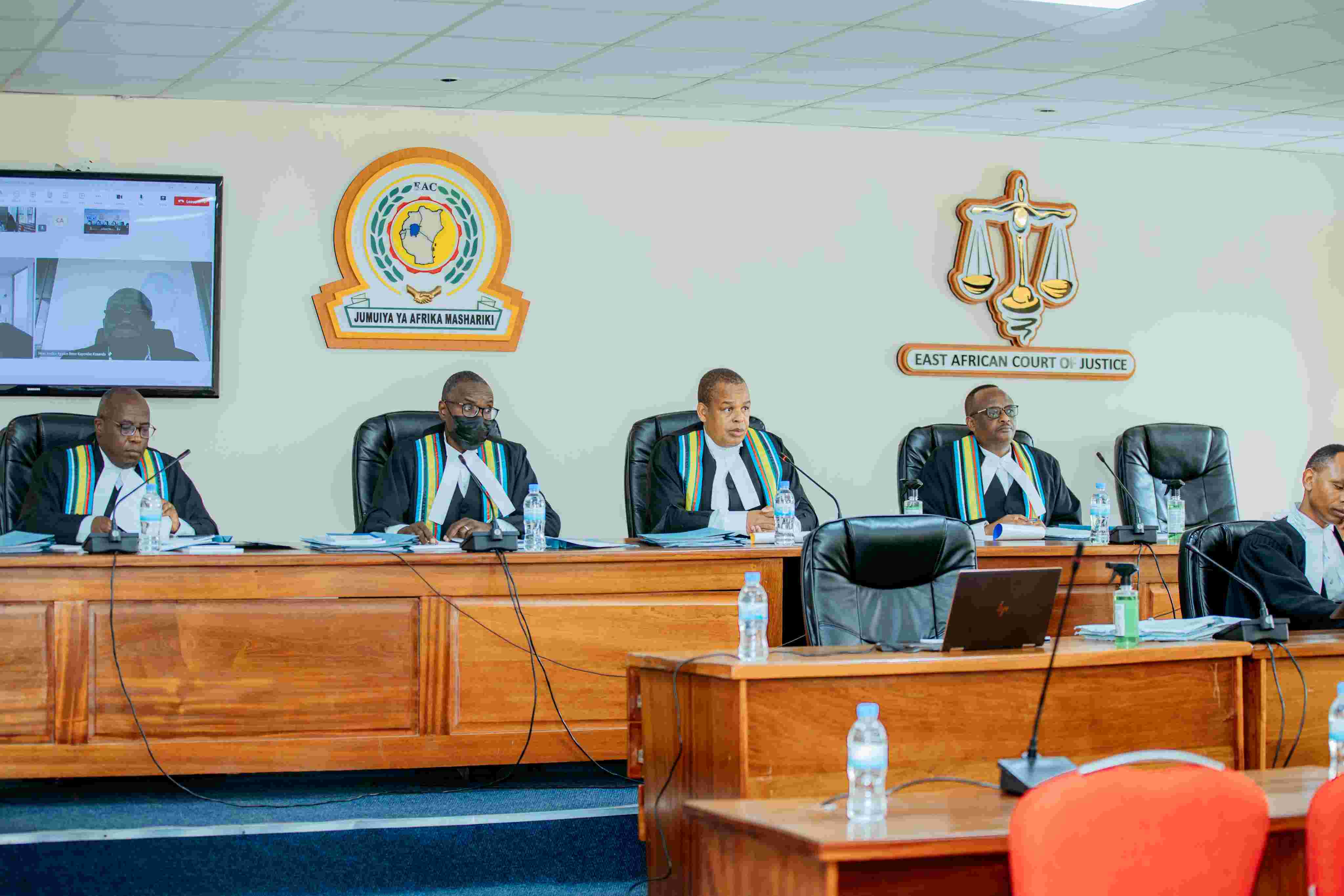
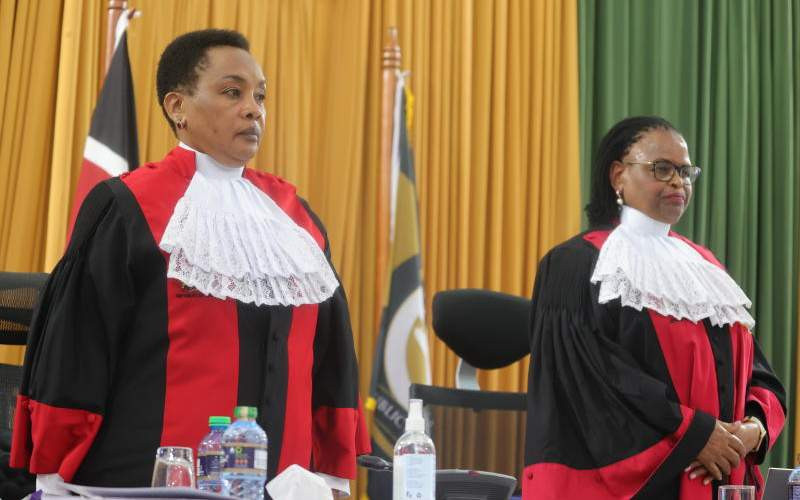
In a ruling delivered on December 11, 2025, a five-judge bench comprising Deputy Chief Justice Philomena Mwilu, Justices Mohammed Ibrahim, Njoki Ndungu, Isaac Lenaola, and William Ouko held that the apex court lacked jurisdiction to issue the stay orders sought, noting that the application improperly attempted to bypass the Court of Appeal.
More To Read
- Six communities dominate jobs in parastatals and public universities, NCIC says
- New law requires all proceeds from state asset sales to go directly to Consolidated Fund
- Kenya, France partner to upgrade Nairobi’s ageing water pipelines
- No job losses as Education Ministry announces major parastatal restructuring
- MTRH discharges new mothers detained over unpaid bills after public outcry
- MPs demand answers as Moi Teaching Hospital sinks into Sh1.8 billion salary debt, diversity row
The dispute traces back to May 20, 2024, when seven petitioners moved to the High Court in Nakuru contesting the recruitment of CEOs for MTRH, Athi Water Works Development Agency, Kenya Broadcasting Corporation, and the Kenya National Shipping Line.
They argued that the statutory instruments establishing the state corporations had lapsed, rendering the appointments unlawful.
A day later, High Court Judge Muhochi issued ex parte conservatory orders suspending issuance of any appointment letters or notices for the contested positions.
When MTRH and the other applicants raised a preliminary objection—arguing that the dispute was essentially an employment matter and should be handled by the Employment and Labour Relations Court—the High Court dismissed the objection and proceeded to hear the petition.
Dissatisfied, the applicants moved to the Court of Appeal and sought a stay of the High Court proceedings.
The appellate court dismissed the appeal in October 2024, upholding the High Court's jurisdiction. It found no fault in the conservatory orders issued and concluded that the applicants had not shown any misdirection or misuse of discretion by the High Court.
After losing at the Court of Appeal, the applicants turned to the Supreme Court seeking to halt the High Court matter pending the determination of their intended appeal.
However, the Supreme Court firmly rejected the plea, ruling that it could only stay orders issued by the Court of Appeal, not proceedings before the High Court.
The bench emphasised that the Constitution only grants the Supreme Court authority to review decisions of the Court of Appeal under Article 163(4)(b). They noted that the applicants' request sought to "leapfrog" the appellate court and interfere with proceedings in a lower court, contrary to constitutional limits.
"Seeing that the Court of Appeal did not make any positive order when it dismissed the appeal, the applicants now ingeniously invite us to ignore the decision of the Court of Appeal... and to stop proceedings in a matter not before us. We decline the invitation," the judges held.
Citing established precedent—including the Munya decision and the Kabarak High School case—the judges concluded that the motion lacked merit, sought impermissible relief, and improperly attempted to challenge an appellate decision at an interlocutory stage.
The Supreme Court accordingly dismissed the application and directed the applicants to bear the costs.
Top Stories Today
Reader Comments
Trending